Loading... Today

-- 0

-- 0

India’s renewable energy capacity is projected to reach 530 GW by 2030, with solar PV driving more than 80% of the growth. Having surpassed 300 GW of renewable capacity in Q4 2026, the country is strengthening its position as a global clean energy leader through competitive auctions, domestic manufacturing, hybrid renewable projects and supportive government policies. Biofuel production, rooftop solar, electric mobility and green hydrogen are also contributing to energy security and reducing fossil fuel import dependence. However, faster transmission expansion, energy storage, grid flexibility, improved DISCOM finances and streamlined project approvals will be essential to achieving its renewable energy ambitions.
The Electrical Post
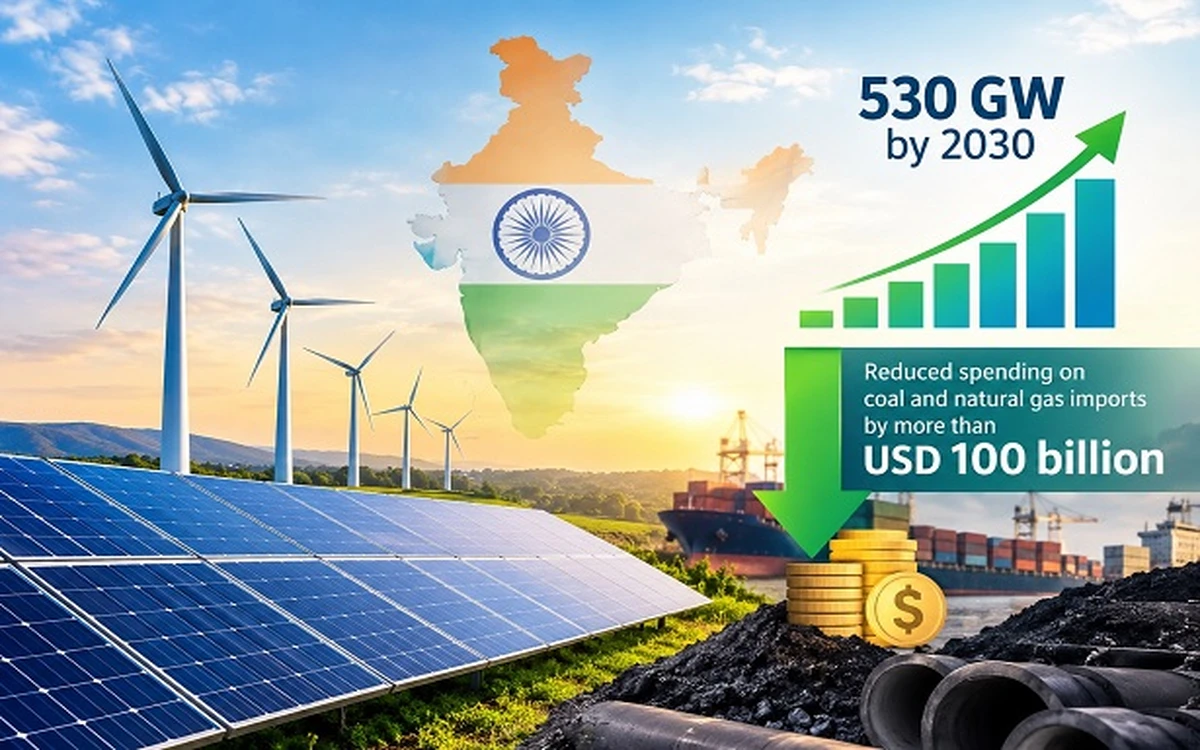
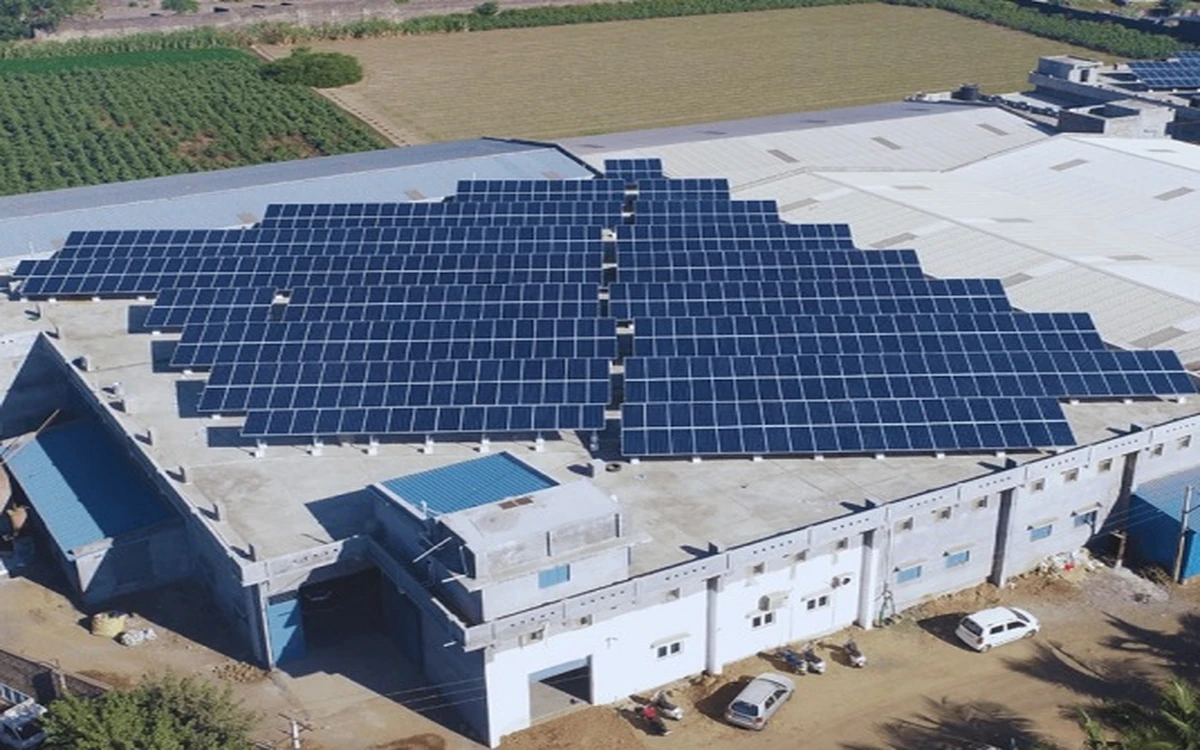
India has emerged as the world’s second-fastest-growing renewable energy market and the second-largest manufacturer of solar PV modules, with renewable power capacity surpassing 300 GW in Q4 2026, almost quadrupling over the past decade. The country achieved its target of sourcing 50% of installed power capacity from non-fossil technologies in 2025, five years ahead of schedule. India’s renewable capacity is projected to reach around 530 GW by 2030, driven primarily by solar PV, which is expected to account for more than 80% of capacity additions, exceeding 350 GW. Wind capacity is expected to approach 90 GW, while hydropower is projected to reach 75 GW. Renewable electricity generation is forecast to increase from more than 500 TWh in 2025 to nearly 950 TWh by 2030, supplying approximately 35% of the country’s electricity demand.
Solar PV has become India’s largest source of renewable electricity, overtaking hydropower in 2025, and is expected to contribute more than half of renewable generation by 2030. The expansion of renewable energy is also strengthening India's energy security by reducing dependence on imported fossil fuels. Between 2011 and 2025, renewable electricity helped reduce cumulative spending on coal and natural gas imports by more than USD 100 billion, with savings expected to more than double by 2030. India’s renewable energy growth is supported by competitive auctions, policy incentives, transmission infrastructure development and increasing investments in energy storage and hybrid renewable projects.
Since 2010, India has awarded more than 220 GW of utility-scale renewable capacity through competitive auctions. Utility-scale solar PV generation costs have fallen to USD 30–35/MWh, among the world's lowest, while tariffs for solar PV projects commissioned in 2025 were around 40% below the average cost of coal-fired electricity. India also auctioned 15 GW of hybrid renewable projects in 2025, taking cumulative auctioned capacity to 64 GW, the highest globally. Distributed solar PV capacity for self-consumption is expected to triple to more than 100 GW by 2030, supported by residential rooftop installations and corporate renewable energy procurement.
India is also strengthening its position as a global clean energy manufacturing hub. Annual solar PV module manufacturing capacity reached approximately 225 GW in September 2026 and is projected to increase further by 2030. The country's wind manufacturing industry is also expanding, with India expected to become the world's second-largest wind equipment manufacturer by 2030. Meanwhile, biofuel production increased sixfold between 2020 and 2025, with liquid biofuel consumption reaching around 11 billion litres in 2025 and projected to rise to 16 billion litres by 2030.
Electric vehicles accounted for more than 11% of new vehicle sales in 2026, while compressed biogas and green hydrogen are emerging as additional alternatives to imported fossil fuels. India’s renewable energy expansion is also extending into heating and industrial applications, with renewable heat consumption expected to increase by 25% by 2030. However, sustaining this growth will require faster transmission expansion, greater energy storage, improved grid flexibility, stronger DISCOM finances and streamlined land acquisition and project approvals. Addressing these challenges could accelerate renewable power capacity deployment during 2026–2030 by more than 20%.
23 hours ago
Total Views : 29

3 days ago
Total Views : 40
3 days ago
Total Views : 13

2 weeks ago
Total Views : 141
last month
Total Views : 189

last month
Total Views : 128
last month
Total Views : 204
last month
Total Views : 169

last month
Total Views : 254
last month
Total Views : 242